Rugs are so common that we walk right over them without a second thought. But the history of rugs is longer and richer than most people guess. It stretches back thousands of years, across many countries, and through the hands of countless weavers. Here is the story of how a simple floor covering became one of the oldest crafts in the world.
Where Did the First Rugs Come From?
For as long as humans hunted animals, we used their fur to keep ourselves warm. We wrapped ourselves to stay warm and to gain protection from the weather. But we also added the pelts of our hunt to our living spaces. This kept our feet off of cold surfaces and added comfort to our homes. You could call these the first rugs that people used, but we still do not know exactly when rug making began.
Based on an article written by Ruth Travis, also known as the “Rug Lady,” the first fabric floor coverings were found in the Orient. The Orient mainly covers all parts of Asia. It has often been considered to stretch through the Middle East and all the way to the west coast of Western Sahara. The first floor coverings were created around 3,000 B.C. Egypt has been noted as the first country to produce rugs.
Here are the earliest milestones worth remembering:
- Animal pelts served as the first floor coverings for warmth and comfort.
- Fabric floor coverings first appeared in the Orient.
- The first woven floor coverings date to around 3,000 B.C.
- Egypt is remembered as the first country to produce rugs.
The Oldest Surviving Rug: The Pazyryk Carpet
The oldest rug we still have today is the Pazyryk Carpet. It comes from Siberia and is believed to have been created around 500 B.C. It was found frozen in ice, which is why it survived for so long. The Pazyryk Carpet shows detailed designs, including rows of horses and deer. This tells us that even 2,500 years ago, weavers were already skilled artists, not beginners.
That single fact says a lot about the history of rugs. A carpet this fine did not appear overnight. It points to many earlier generations of weavers whose work was lost to time. The craft was already mature when the Pazyryk Carpet was made.
Persian and Oriental Rug Traditions
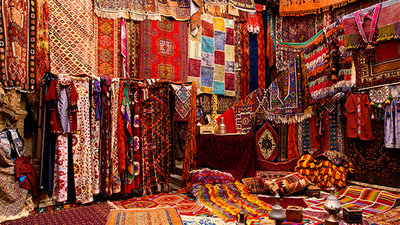
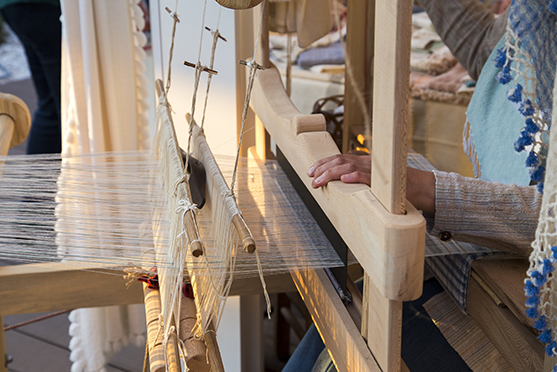
As trade routes grew, rug making spread and deepened across the Middle East and Asia. Persia, which is modern-day Iran, became famous for its carpets. Persian and Oriental rugs are known for their tight knots, rich colors, and detailed patterns. Many designs carry meaning, using flowers, gardens, animals, and geometric shapes.
Weavers passed their methods down through families and regions. Trade along old routes such as the Silk Road helped carry these rugs to Europe and beyond, where they were prized as luxury goods. Over time, different regions became known for their own knots, dyes, and styles, and collectors still sort rugs by these origins today.
Rugs were never only about the floor. As Edgar Allan Poe wrote in his Philosophy of Furniture, “The soul of the apartment is the carpet. From it are deduced not only the hues but the forms of all objects incumbent.” In other words, a rug can set the mood for an entire room.
From Handmade Art to Modern Manufacturing
All things considered, rug making has improved a great deal since ancient times. We can now mass produce thousands of rugs per day. We use many materials, extreme precision, and strong efficiency. Power looms and machines made rugs cheaper and easier to buy than ever before.
Still, many people find handcrafted rugs just as appealing, if not more appealing, than the perfectly manufactured rugs we see today. This mainly comes down to how much someone is willing to spend and their personal taste. That is the beauty of rugs. They can be made in many ways and used for many purposes.
People use rugs for all sorts of reasons:
- To add a splash of color to a modest room, or to tie the highlights of a space together.
- To deaden the echo of larger, more spacious rooms.
- To cushion feet from cold and hard surfaces.
- To hang on walls, showing off intricate designs and preserving handcrafted beauty.
Rugs can tell stories and bring life into a room. A rug is often the first thing a guest notices and the last thing a family wants to give up.
Buying a Genuine Rug Today
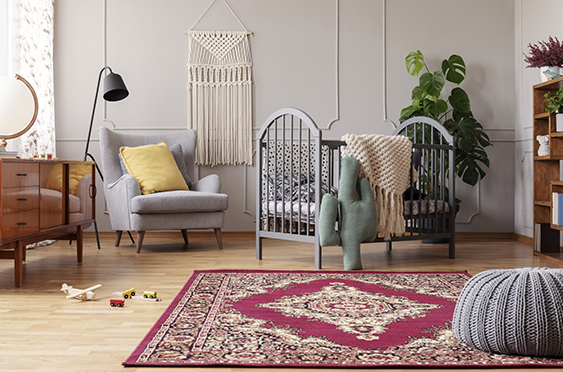
Nowadays we can buy beautiful looking rugs for reasonable prices. But there are still people who want handcrafted rugs from overseas. The only problem is that, just as the rug-making industry has grown, so have the skills of rug scammers. If you are in the market for genuine Turkish, Persian, or Oriental rugs, do your research and make certain you are not being scammed. One of the best things to do is find a reputable and credible merchant who will give you what you ask for.
A few simple habits can protect your money:
- Learn the basic knots and materials before you shop.
- Ask about the rug’s origin and age.
- Buy from a trusted, credible seller.
Caring for Your Rug So It Lasts
Now that you know a bit of the history of rugs, it helps to think about the future of yours. Good care preserves a rug’s beauty and keeps your home hygienic. Rugs feel nice underfoot, but they do trap dirt, debris, and stains over time. A handmade rug can last for generations when it is cleaned with care, and even a machine-made rug looks better and lasts longer with regular attention.
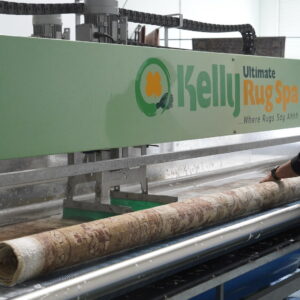
Kelly Cleaning and Supplies, Inc. has highly trained technicians equipped with truck mounted steam cleaning equipment to tackle your rugs and carpets. Because rugs and wall-to-wall carpet often need similar care, you can also read about our carpet cleaning services and browse our full list of home and business cleaning services. If you live nearby, we offer specialized rug cleaning in Ventura and rug cleaning in Santa Barbara as well.
A Craft Worth Protecting
From the first animal pelts to the Pazyryk Carpet, from Persian looms to today’s factories, the history of rugs is really the history of people making home more comfortable and more beautiful. Your own rug is a small part of that long story.
- Rugs are one of the oldest crafts, dating back thousands of years.
- Handmade and machine-made rugs both deserve regular care.
- Clean rugs stay beautiful and keep your home healthy.
To help your rug become part of your family’s history, learn more about our professional rug cleaning service for Ventura and Santa Barbara counties, or call (805) 644-5308 to schedule an appointment.