
The air inside your home or office can be dirtier than the air outside. That surprises a lot of people. But when a building is closed up, dust, moisture, and fumes have nowhere to go. They just build up. Learning how to improve indoor air quality is one of the simplest ways to feel better, breathe easier, and protect the people who share your space.
Indoor air quality, or IAQ (indoor air quality), is a mix of many things. It is not one gadget or one cleaning. It comes down to fresh air, good filters, the right humidity, and cutting off the sources of dirty air before they spread. Below, we break down the practical steps you can take in a house, an apartment, or a busy workplace.
Start With Fresh Air and Better Ventilation
Stale, trapped air is the root of most IAQ (indoor air quality) problems. The fix is airflow. When fresh air moves in and stale air moves out, pollutants get diluted instead of piling up.
Here are easy ways to boost ventilation:
- Open windows for a few minutes each day when the weather and outdoor air allow it.
- Run the exhaust fan in the kitchen when you cook and in the bathroom when you shower.
- Keep supply and return vents clear of furniture, boxes, and rugs.
- In an office, ask your building manager to bring in more outdoor air through the HVAC (heating, ventilation, and air conditioning) system.
Even a short burst of cross breeze can flush out cooking smoke, cleaning fumes, and that stuffy feeling. Small habits add up fast.
Use the Right Air Filters
Filters are your quiet workhorses. They trap dust, pollen, pet dander, and other tiny bits before those particles reach your lungs. Two kinds of filters matter most.
Your HVAC Filter
Your central heating and cooling system pulls air through a filter every time it runs. If that filter is clogged or cheap, dirty air just keeps circulating.
- Check the filter every month and change it on schedule, often every one to three months.
- Pick a filter with a higher MERV rating for finer filtering, but only as high as your system can handle.
- Never run the system with no filter in place.
Portable Air Purifiers
A standalone unit can clean the air in one room. Look for a purifier with a true HEPA (high efficiency particulate air) filter, which captures very small particles.
- Size the purifier to the room so it can cycle the air several times an hour.
- Place it where air moves freely, not tucked behind a couch.
- Run it in bedrooms and busy shared rooms where people spend the most time.
Clean filters do a lot of heavy lifting, but they work best when the rest of your air is under control too.
Control Humidity and Stop Mold
Moisture is a hidden driver of poor air. Too much of it feeds mold, dust mites, and that musty smell. Too little dries out your nose and throat. The sweet spot for indoor humidity is usually around 30 to 50 percent.
To keep moisture in check:
- Run a dehumidifier in damp rooms, basements, or during humid stretches.
- Fix leaks under sinks, around windows, and near the roof quickly.
- Wipe up standing water and dry wet spots within a day or two.
- Watch for dark spots on walls or ceilings, a warning sign of mold.
If mold has already taken hold on a large area, bring in a pro. Damp carpet is another quiet trouble spot, and a deep professional carpet cleaning can pull out trapped moisture and grime that a vacuum leaves behind.
Reduce the Sources of Dirty Air
The best IAQ (indoor air quality) plan cuts pollution at the source. If you stop the mess from entering the air, your filters and fans have far less to fight.
Common indoor sources and simple fixes:
- VOCs (volatile organic compounds): These fumes come from paint, new furniture, air fresheners, and some cleaners. Choose low-VOC products and open windows when you use them.
- Dust: Vacuum often, dust with a damp cloth, and use door mats so shoes track in less dirt.
- Smoke: Keep tobacco smoke outside, and vent the kitchen when you sear or fry.
- Scents: Heavy sprays and plug-ins add chemicals to the air rather than clean it.
Workplaces have their own sources, from copier toner to shared restrooms to break room trash. A steady commercial cleaning routine keeps those sources from building up and turning into an air problem your whole team breathes.
Where Air Duct Cleaning Fits In
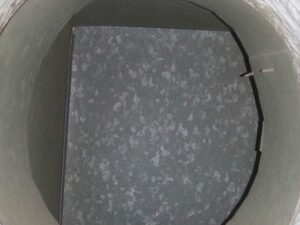
Ducts are one piece of the IAQ (indoor air quality) puzzle, not the whole thing. Over the years, dust, pet dander, and debris can settle inside the ductwork of your HVAC (heating, ventilation, and air conditioning) system. When the system kicks on, some of that can ride the airflow back into your rooms.
Think of duct cleaning as one factor among many:
- It helps most when ducts are visibly dusty, after a remodel, or when the system has never been cleaned.
- It is not a cure-all. Ventilation, filters, and humidity control still do the daily work.
- Pair it with a fresh filter so you do not just push new dust into clean ducts.
If your ducts are due for attention, a professional inspection can show you what is really inside them before you spend a dime. You can learn more about our air duct cleaning service and how it supports cleaner indoor air.
Build a Simple Routine
Good air is the result of small, steady habits, not one big project. Put a few reminders on your calendar and the rest gets easier.
- Weekly: vacuum, wipe surfaces, and run exhaust fans.
- Monthly: check the HVAC filter and empty any dehumidifier.
- Seasonally: swap filters, look for leaks, and air out the space.
- As needed: schedule deeper services like duct or carpet care.
Kelly Cleaning has served homes and businesses across Ventura County since 1978, and cleaner air is part of nearly every job we do. You can see our full range of cleaning services to find the right fit for your space.
Ready to Breathe Easier?
You do not have to fix everything at once. Start with fresh air and clean filters, control your humidity, cut the sources, and let ducts play their part. If you want expert help taking that next step, call Kelly Cleaning at (805) 644-5308 to schedule an air duct inspection and cleaning that supports healthier indoor air in your home or office.